
One year into exploring what a Wastesmiths growing project might look like, and we’re starting to realise it might be less about growing and more about discovering our local plant allies. Let’s be honest, there are some extraordinary community growing projects out there, many of them in Norfolk. However what we’re finding is we’re being drawn back to the margins of human space, towards those plants carving out an existence against the odds. We’re rediscovering the plants already in our neighbourhoods that have somehow been rejected, neglected and labelled as weeds. Let us tell you about our journey.
Back in August 2023, with the support of the Know Your Neighbourhood fund, we launched Make, Grow + Mend. The vision was to gather people weekly around purposeful activities with an ethos of building a positive future from the resources we already have in our communities. While we already had strong approaches for making and mending through Precious Plastic East and We Wear The Trousers, the growing element posed a question we didn’t know the answer to.
What would a Wastesmiths growing project look like?
As an organisation, Wastesmiths wants to transform in our relationships with stuff. Primarily stuff that already exists, and is undervalued or devalued in our society somehow. Based on this criteria we’re not exactly sure the standard community garden model fits. Grapes Hill Community Garden in Norwich is a shining example of how valuable a community garden can be. It’s community growing projects like Grapes Hill that prompted Norwich City Council to create a network specifically focussed on supporting community garden projects in the city, because they value the positive benefits they bring. However, what we’re realising is often permission to grow is linked to having access to a plot of land. Lets face it, access to land is an elephant in the room for many people across our society, but nature connection isn’t dependent on it.
What would a community growing project look like without access to land?
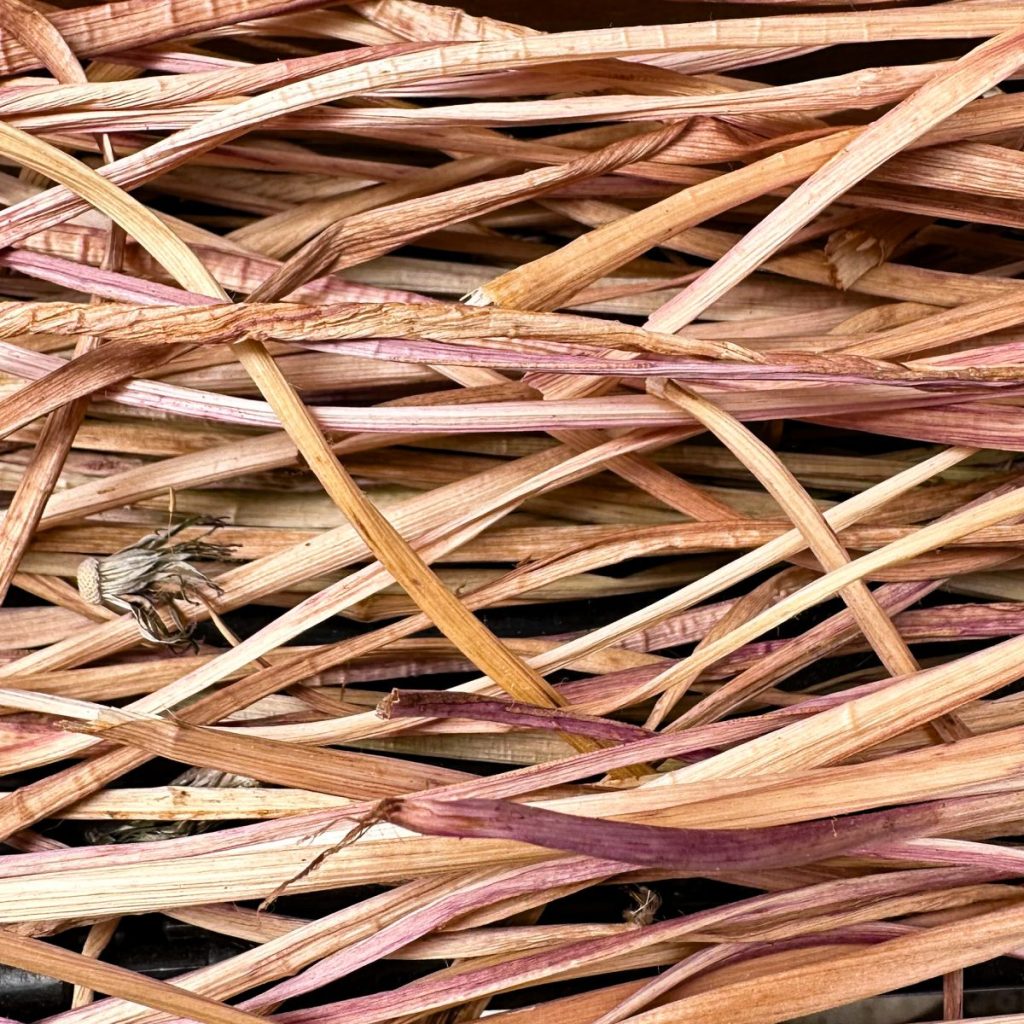
Fundamental to the approach we’re discovering is an appreciation that public space is often home to biodiversity that’s carving out an existence in the margins. The plants that thrive in small, self-seeded patches are often thought of as weeds, though they bring a wealth of value to the ecosystem and to humans as plant allies. What’s more, we’re realising the narrative of the weed not being valued in society often resonates with the community we gather. So what does a community growing project that’s escaped the traditional plot of land look like? The honest answer is that it’s a work in progress, though we’re starting with mapping what thrives and what’s alive for us in our neighbourhood’s forgotten spaces. This mapping leads to researching the history, folk wisdom, stories and uses for the plants we find. What we’re discovering about local weeds weaves a rich tapestry, and given that some of the plants we’re spotting are good for cordage or natural dyeing, maybe a rich tapestry is what we could make. A wearable woven weed showing us there’s value in every one.
Watch our social media feeds for progress reports as this project grows.
 Wastesmiths C.I.C.
Leave a comment