
“I am green, and it’ll do fine,
It’s beautiful, and I think it’s what I want to be” Kermit the frog
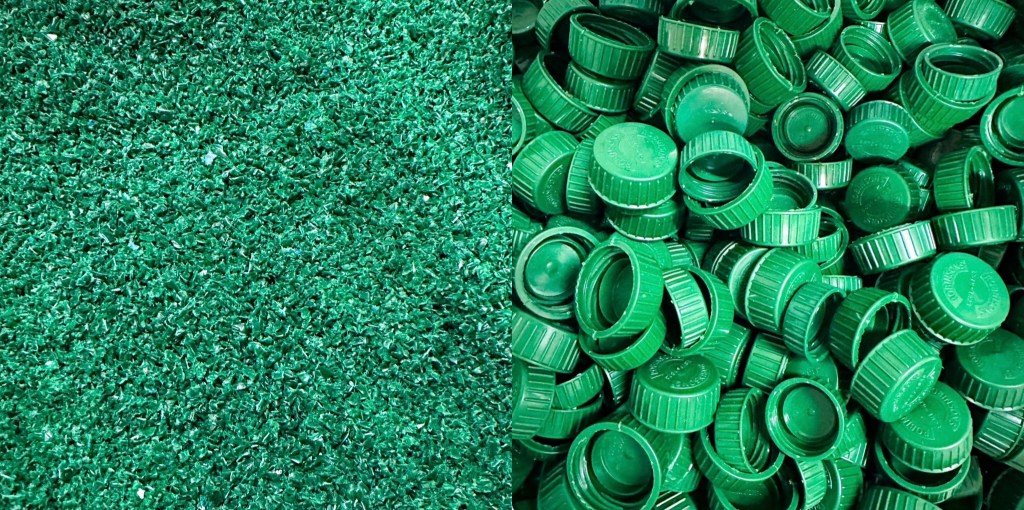
This month we have been mostly shredding green lids at Precious Plastic East, which got us thinking. What is the history of the word green when describing things that are good for the planet?
We were surprised to discover when Kermit the frog first sang about the challenges of “bein’ green” in 1970 the colour had yet to formally establish its environmental association. Two years earlier William Anders had taken the first picture of the earth from space and later in 1970 the planet would celebrate its first Earth Day. However as far as we can tell it wasn’t until 1971, when a small organisation called Don’t Make a Wave changed its name to Greenpeace, that the association was formally began.
What followed was a decade of growing environmental interest and citizen action for planet earth. By the early eighties Green parties were being established and shouting about your green credentials was becoming a tactic seen as beneficial to big business. Unsurprisingly the term greenwashing was also coined during this decade in an essay by environmentalist Jay Westerveld in 1986. So in its first fifteen years of association with things that are good for the planet the word green travelled from grassroots communities, through a lot of citizen led action to the boardrooms of big business.
Skipping ahead to the 2020’s and the simplicity of the word green is almost comforting at a point in human history when environmental issues feel unnecessarily complex. Why does doing good things for the planet feel so complex in 2024? Creating a false complexity has been shown to be a tactic of those who benefit from the status quo. A tactic that often focuses around creating doubt. This was a tactic that started in the tobacco industry and has spread. They call it manufactured doubt, and the BBC published a fascinating podcast telling the story. In this atmosphere of complexity it takes bravery to run towards existential threats like biodiversity loss, climate change and pollution in search of solutions, rather than running away.
In our Precious Plastic East workshop here at Wastesmiths HQ, we’ve been running towards the plastic problem for over two years now. Community collections of lids, that might rattle around in the bottom of your bin and not get recycled, are only the tip of the iceberg. Plastic can seem complex though it is also relatively simple: recycling isn’t the answer to future plastic, we need to manufacture less new plastic, we need more industry transparency and there needs to be more funds allocated to understanding and creating the solutions. At our workshop we recycle local plastic, largely plastic that wouldn’t otherwise be recycled. Though recycling alone wouldn’t feel right if it was the only thing we did to tackle the human problem with plastic. Recycling plastic has to sit alongside bringing about the future, and not just dealing with the materials of the past.
Right now 175 nations are working to agree a legally binding Global Plastic Treaty, which will curb production, create greater transparency and allocate funding for necessary research. The ambition of the UN is to complete these treaty negotiations by the end of 2024. This is a very ambitious target for a treaty that will be subject to a lot of resistance. This is why it’s really important that the citizens of the world show the negotiating nations we’re watching, and we support the successful establishment of this legally binding treaty. There are a number of global organisations collecting signatures to demonstrate public interest in this important piece of work. The Greenpeace one is HERE.
Curiously whenever we need to reconnect with the motivation that’s driven Wastesmiths over the last two years we seek out green space. It’s through re-establishing a nature connection, surrounded by green, that reconnects us with why all this is important. Maybe all board meetings, treaty negotiations and parliamentary sessions making decisions that affect the environment should happen in awe inspiring, nature connecting green space, to let nature work its influence. It’s either that or rebuilding society on the mantra ‘what would Kermit do?’.
PODCAST: How they made us doubt everything: The Tobacco Playbook on BBC Sounds
 Wastesmiths C.I.C.
Leave a comment